
The Plusquamperfekt is the German past perfect tense, and it is easy to build: take a Perfekt sentence and put the auxiliary verb into the Präteritum. Ich habe eine Tasche gekauft becomes Ich hatte eine Tasche gekauft. This lesson shows where the tense sits among the six German tenses, when you ne...

Innerhalb and außerhalb do double duty in German — they can describe where something is and when something happens — and both meanings follow the same genitive-preposition rules. Here's how to use them as place prepositions, as time prepositions, and what to do when the genitive case isn't visible...
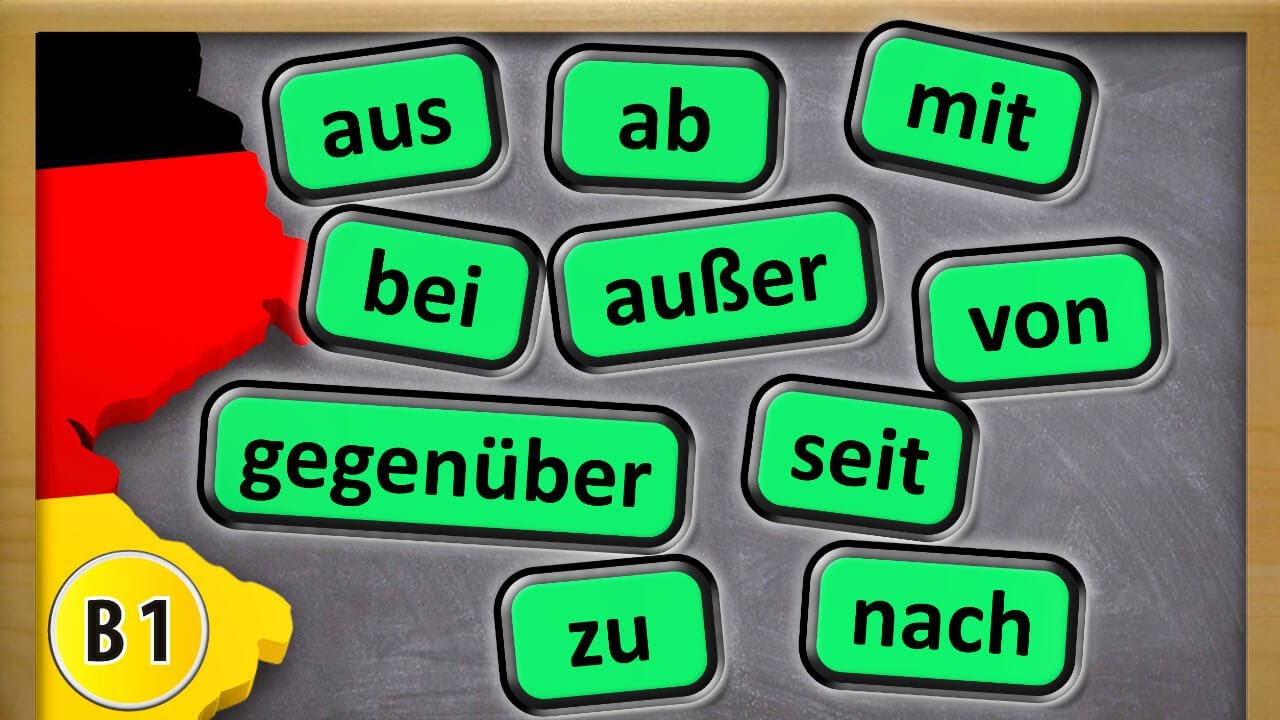
German has 25 prepositions that always and only take the dative case, but ten of them cover everything you need from A1 to B1. You will barely hear or use most of the other fifteen. This lesson goes through the top 10 in alphabetical order, with a short meaning, the type of preposition and example...

The position of gern is quite annoying, even for us teachers to explain, but five rules will cover most situations. The position does not depend on the word itself. It depends on the type of sentence you use: a main clause, a subordinate clause, a question, a negative sentence or a sentence that s...
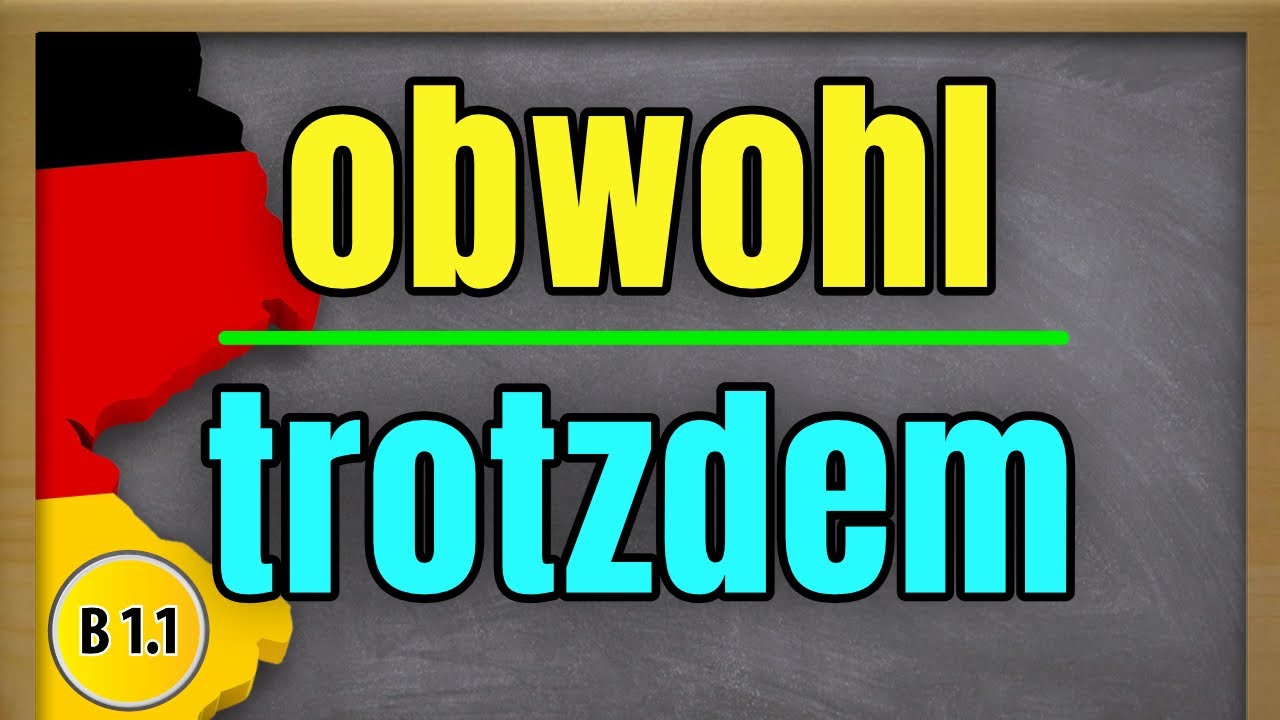
"Obwohl" and "trotzdem" both let you express a contradiction in German — but mixing up their word order is one of the most common B1 mistakes. One is a subordinating conjunction, the other is an adverb, and that single grammatical difference changes where the verb has to go. Here's how to tell the...
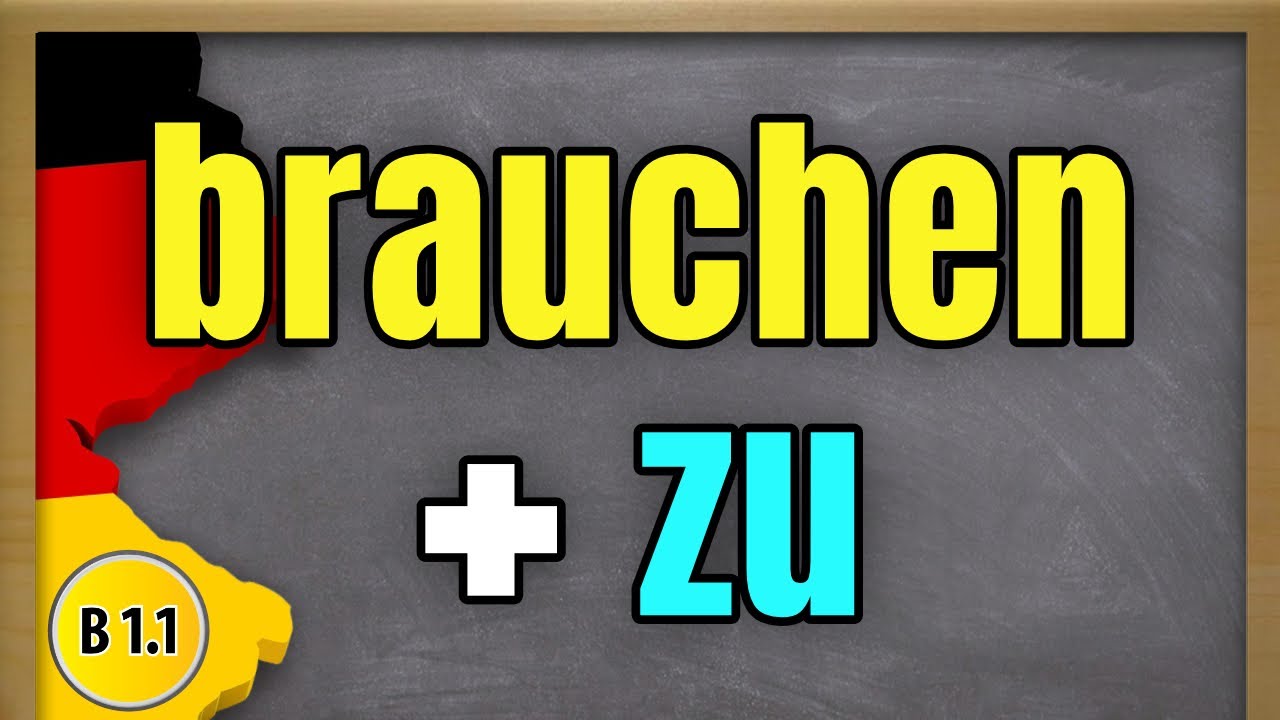
German has a natural alternative to "müssen" that native speakers use constantly in everyday conversation: nur/nicht/kein + brauchen + zu + infinitive. It sounds intimidating written out like that, but once you see the pattern and a few examples, it clicks fast — and you'll start hearing it everyw...
Dative verbs are verbs that require their object in the dative case, and this lesson gives you the 19 B1 dative verbs with an example sentence for each. In every example the object that stands in the dative is the one the verb forces into that case. Some of the verbs are separable (abraten, einfal...

"Je...desto" is how German expresses "the more... the more" — and while the meaning is simple, the double word-order flip trips up even confident B1 learners. Here's the grammar behind it, the sentence structure you need to memorize, and enough examples to make it feel natural.
What Does "Je...De...

A Realistic Answer, Not Just a Number
"How long does it take to learn German from A1 to B1?" is one of the questions we get asked all the time — B1 is a huge milestone for most German learners, roughly the point where you can hold your own in daily life. Here's a realistic answer, plus the factors...
"Zu" and "um...zu" can both come before an infinitive, and mixing them up is one of the easiest B1 mistakes to make — but there's a simple test that tells you which one you need every time. Here's the hack: just ask yourself whether you're describing a purpose or something else, and the rest falls...