"Wie sagt man das auf Deutsch?" That one question already contains the word of this lesson: man. The German indefinite pronoun man is one of the most useful words at A1 and it makes you sound much more natural. In this lesson you learn what it means, why it is not the same as du, how to conjugate ...
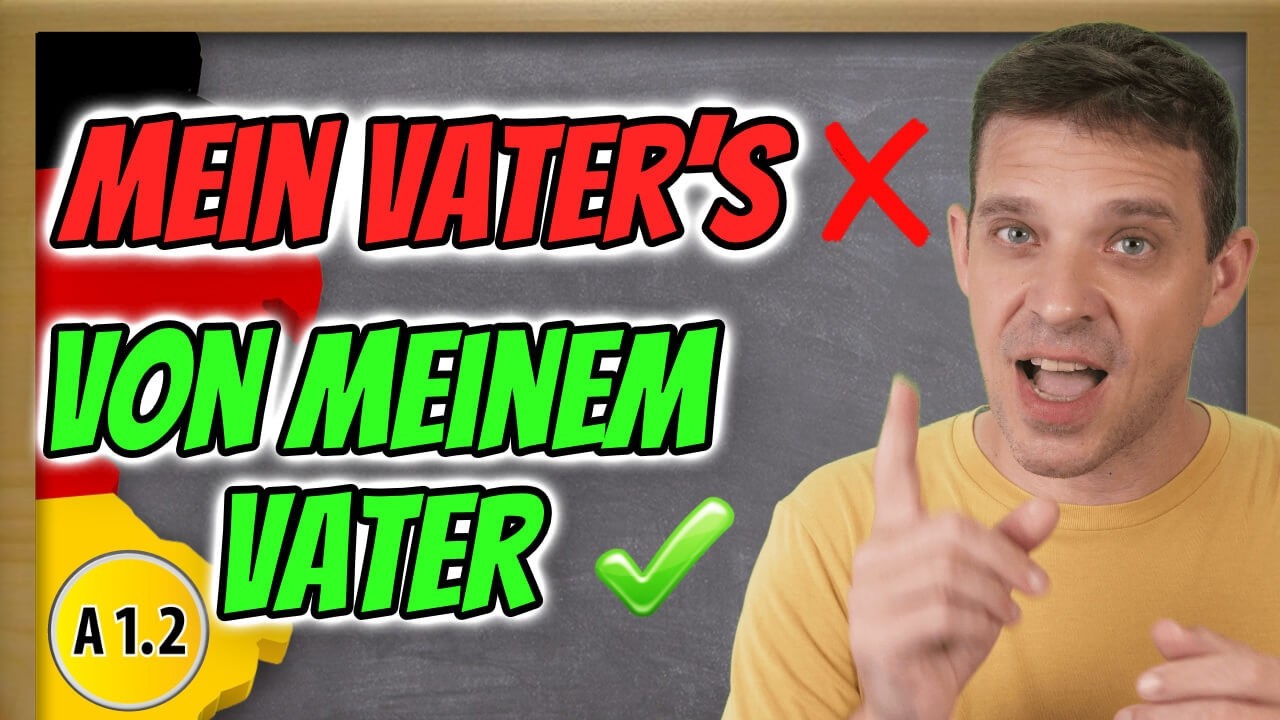
Mein Vater's Auto? Stop! In German this apostrophe is wrong. English speakers often put an apostrophe before the s to show possession. In German that is a mistake. In this lesson you learn the two simple ways to say who something belongs to: the von-construction and names with -s, plus the rule fo...
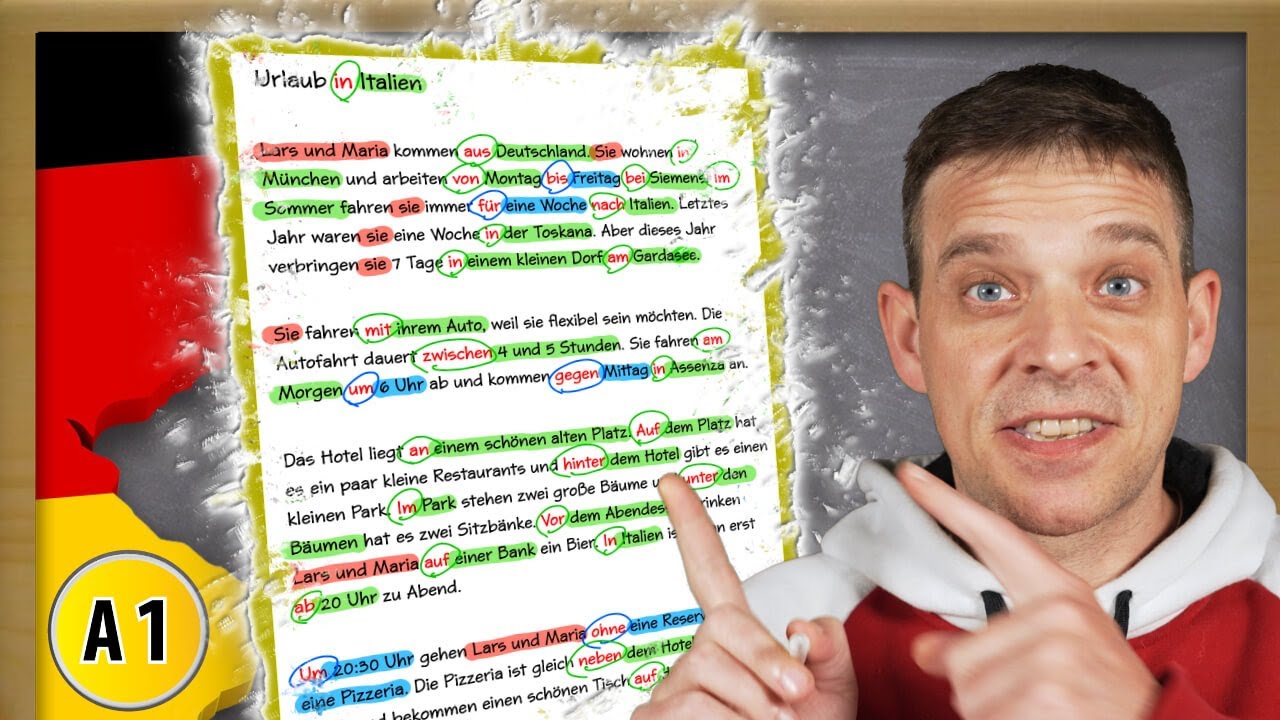
At A1 level you need 20 German prepositions: five take the accusative and fifteen take the dative. This lesson is a text analysis. We read a short text about Lars and Maria on vacation in Italy and look at every preposition: which case it takes and how you can see it. The bonus tip at the end look...
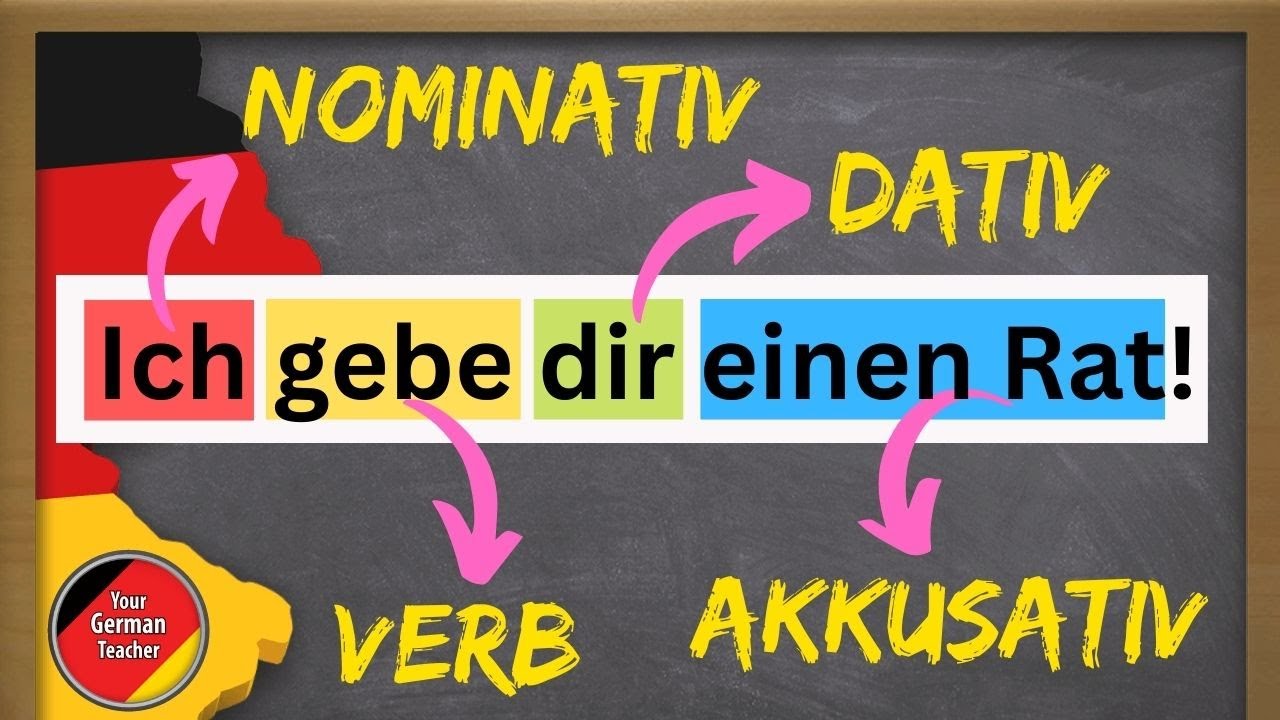
The best way to understand German cases is to take a real text apart sentence by sentence. In this lesson Luzi analyzes a diary entry he wrote, called “Ein Tag aus Luzis Leben”. For every sentence he finds the subject, the verb and the objects and explains why each one is Nominativ, Akkusativ or D...
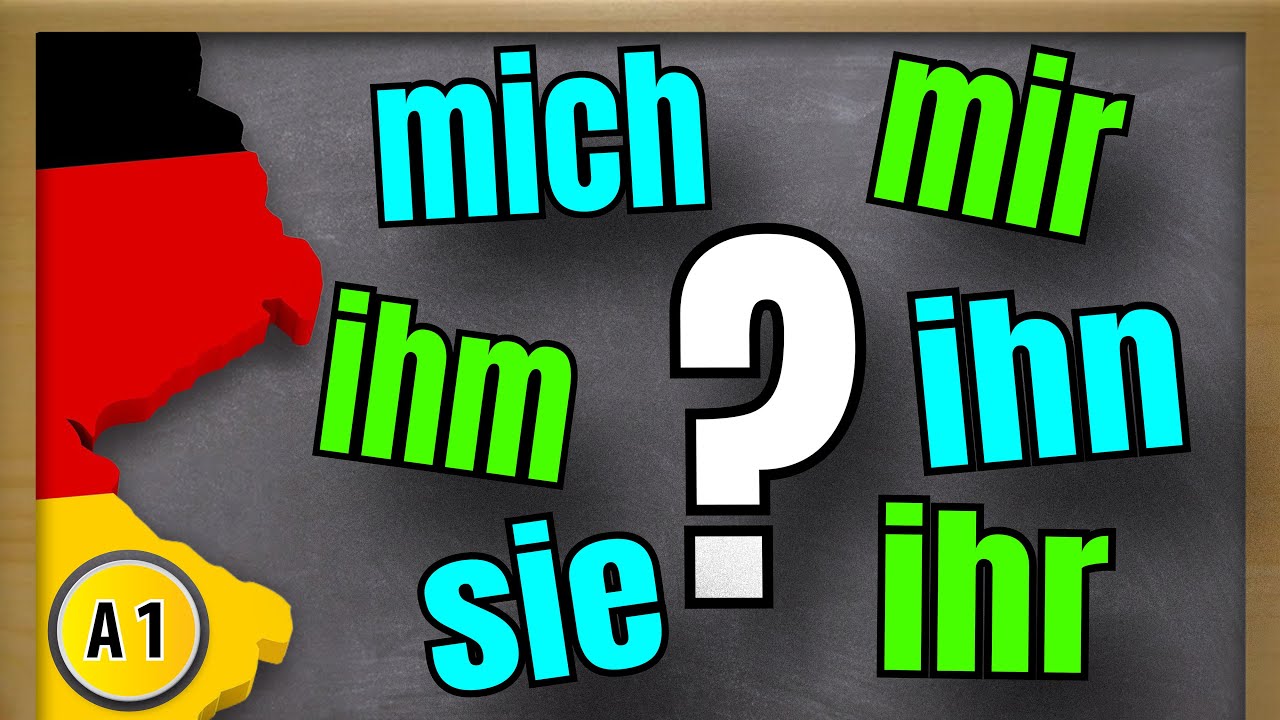
mich, mir, ihn, ihm, sie, ihr: which pronoun belongs in the gap? This practice video trains the personal pronouns in Akkusativ and Dativ at A1 level, completely in German. Below you find the 10 gap sentences with their answers, a short pronoun table, and a quick rule to decide between Akkusativ an...

Even native German speakers mix up als and wie sometimes — but the rule that decides between them is actually simple. It all comes down to one question: are the two things you're comparing equal, or not?
The Core Rule
- wie = comparing two equal things ("as ... as")
- als = comparing two unequal thin ...
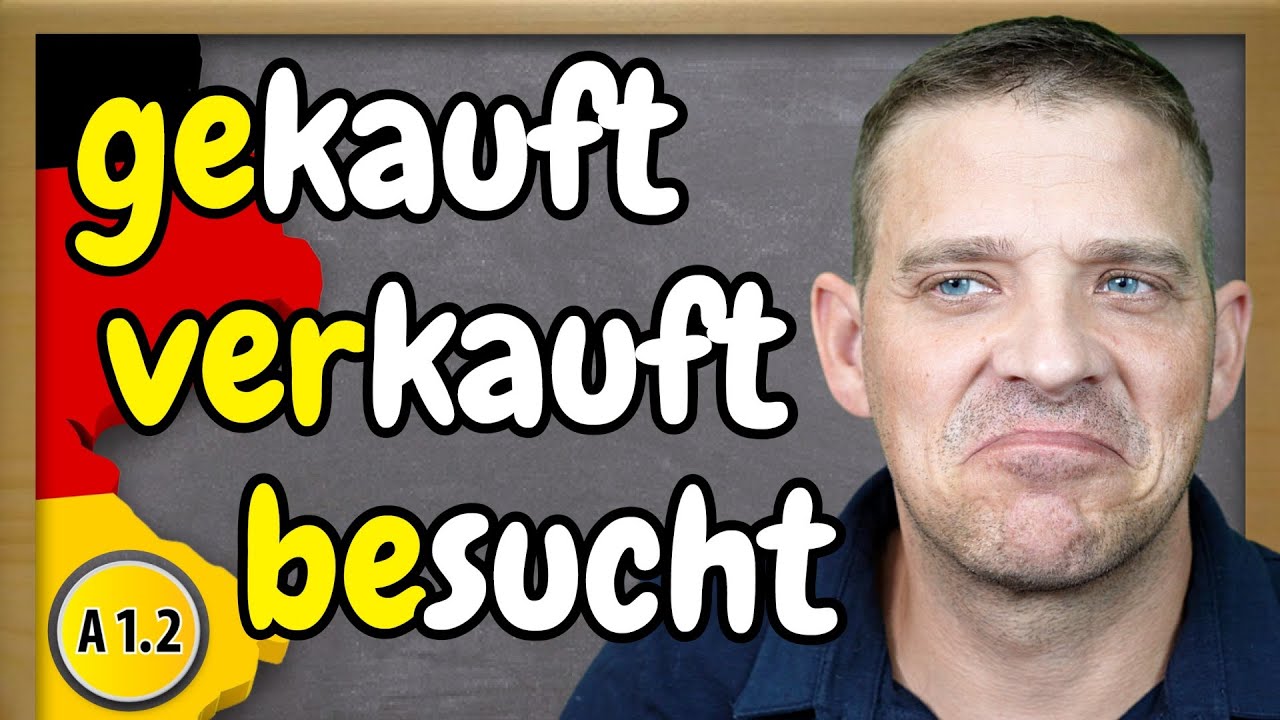
Most German past participles start with ge- — but a large and completely predictable group of verbs never gets a ge- at all. The good news: it's not random. Two clear rules tell you exactly when to leave it off.
The Regular Pattern (For Comparison)
Normally, a past participle is built as ge- + ste...
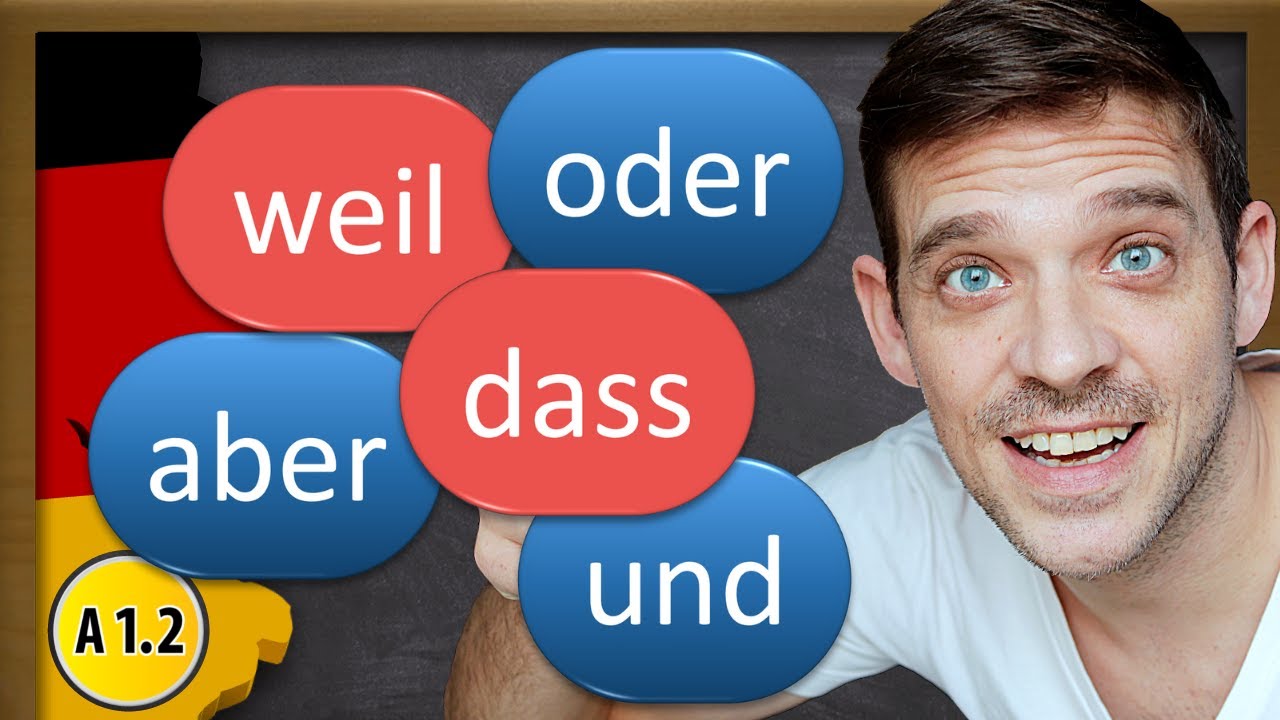
Und, oder, aber, denn, weil, dass: these six words connect German sentences, but do you know where the verb goes after each of them? In this lesson, Luzi from YourGermanTeacher teaches you all A1 German conjunctions. To use them correctly you first learn the two sentence types, Hauptsatz (main cla...
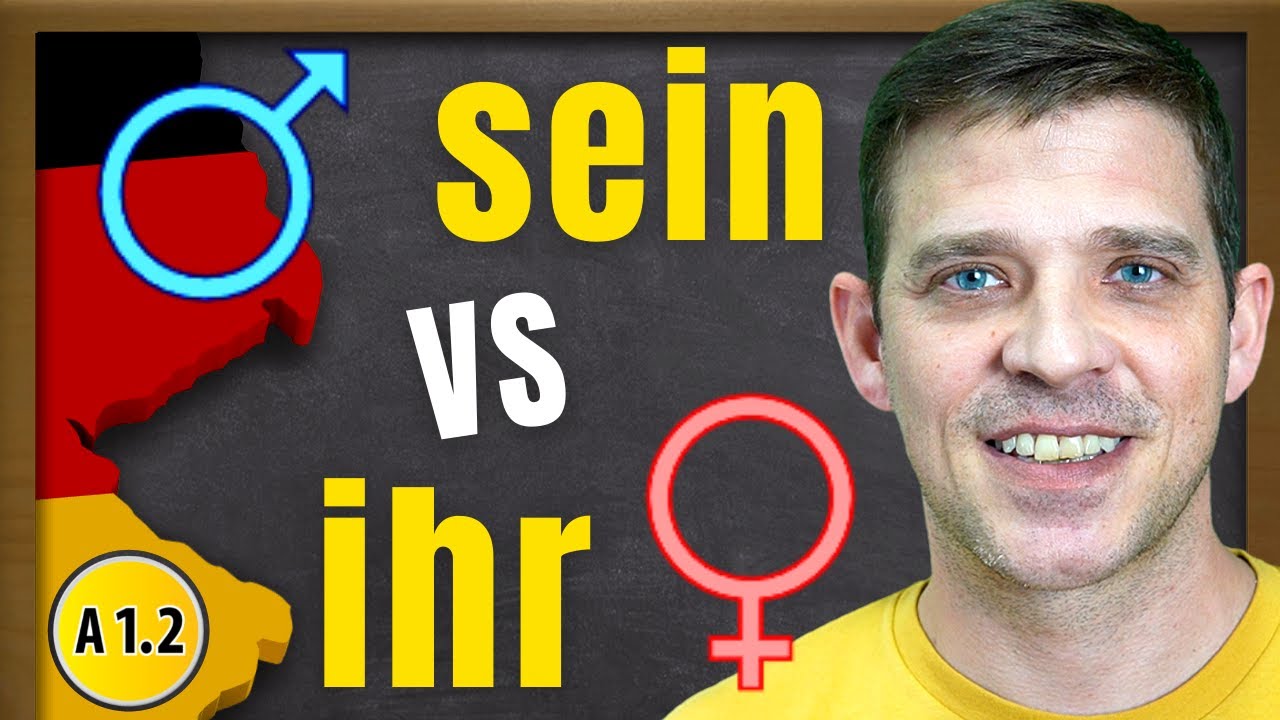
Wie findest du sein Fahrrad? Or is it ihr Fahrrad? The answer depends on two things. In this A1.2 lesson you learn when to use the German possessive articles sein and ihr in the singular, how their endings change with the noun, and how the Akkusativ affects them.
The Basic Rule: sein for Men, ihr ...
Most German verbs form the Perfekt with haben, but some use sein instead. In this practice lesson, Johannes from YourGermanTeacher gives you 15 sentences in the Perfekt. Your task: decide which auxiliary verb you need, haben or sein, and do not forget the conjugation.
This video is about practice ...