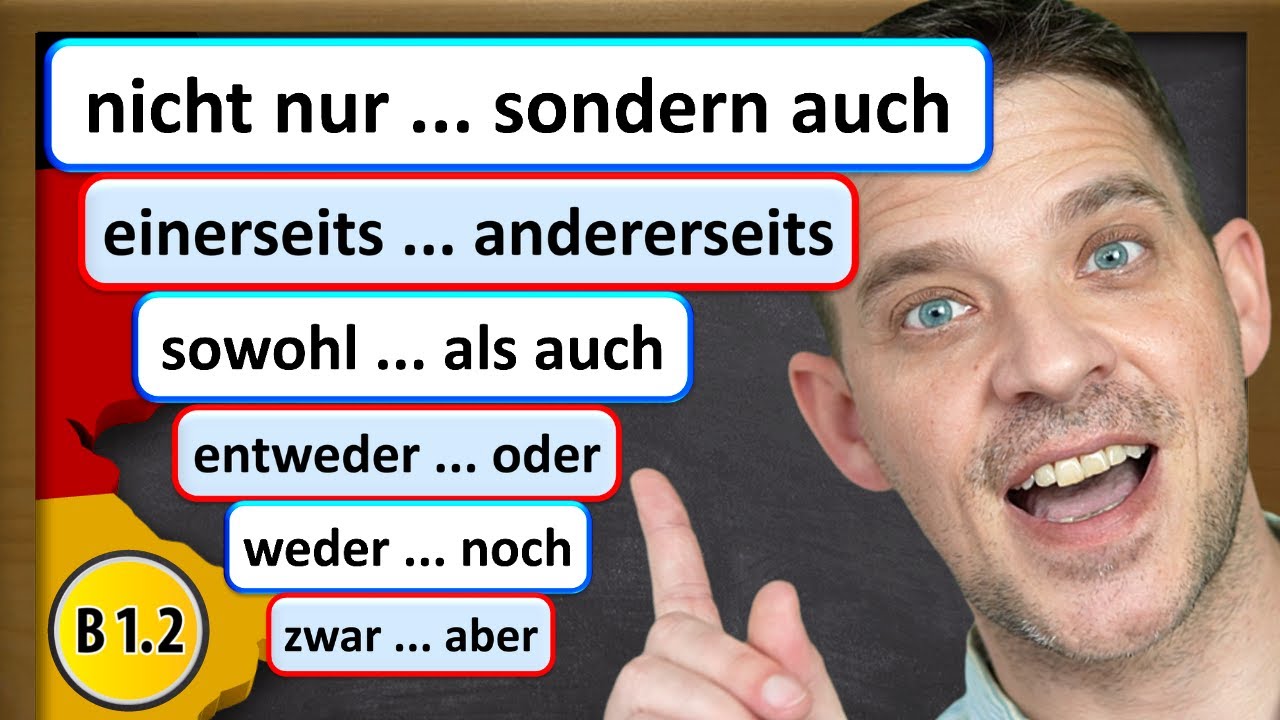
Je mehr du Deutsch sprichst, desto besser wirst du. This sentence uses a Doppelkonjunktion, a two-part connector. In this lesson, Luzi from YourGermanTeacher explains the seven most important German two-part connectors: when to use them, where the subject and the verb go, and which ones need a com...
Max hat lange geschlafen, doch er ist immer noch müde. This sentence uses one of the A2 conjunctions. In this lesson, Luzi from YourGermanTeacher shows you all A2 German conjunctions and connectors with example sentences from a day in Max's life, and explains in which position each one stands and ...
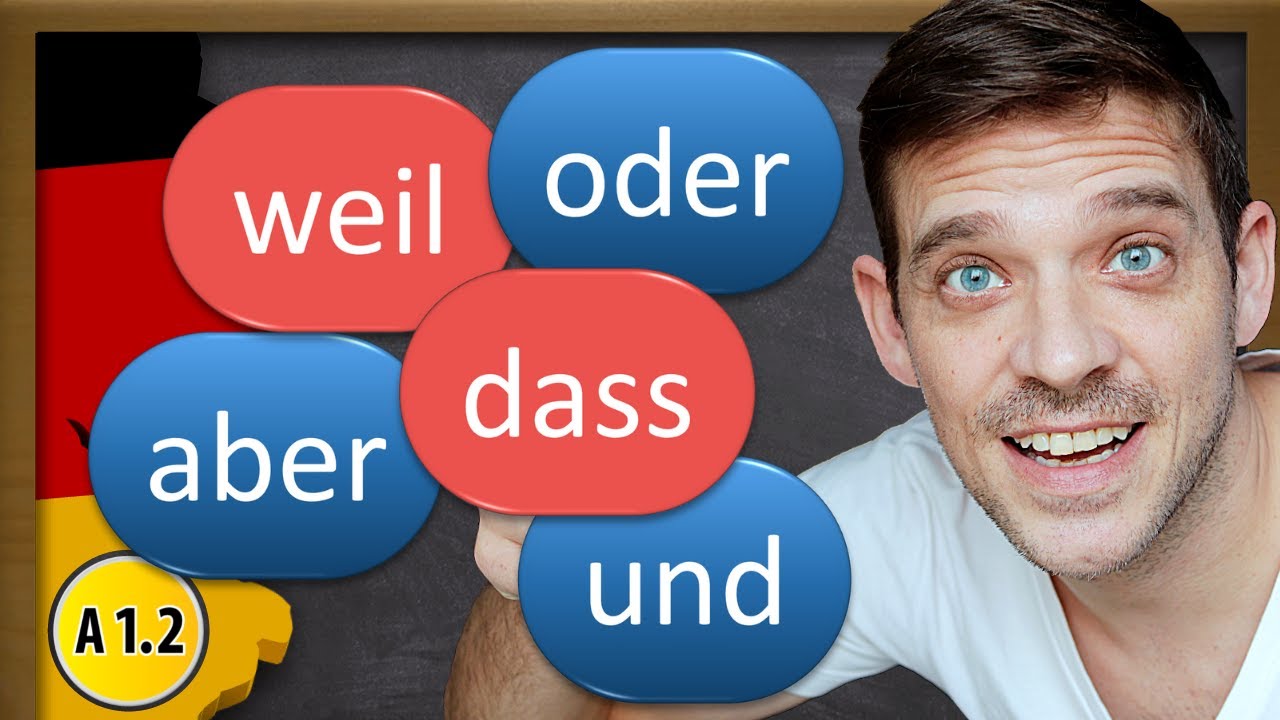
Und, oder, aber, denn, weil, dass: these six words connect German sentences, but do you know where the verb goes after each of them? In this lesson, Luzi from YourGermanTeacher teaches you all A1 German conjunctions. To use them correctly you first learn the two sentence types, Hauptsatz (main cla...
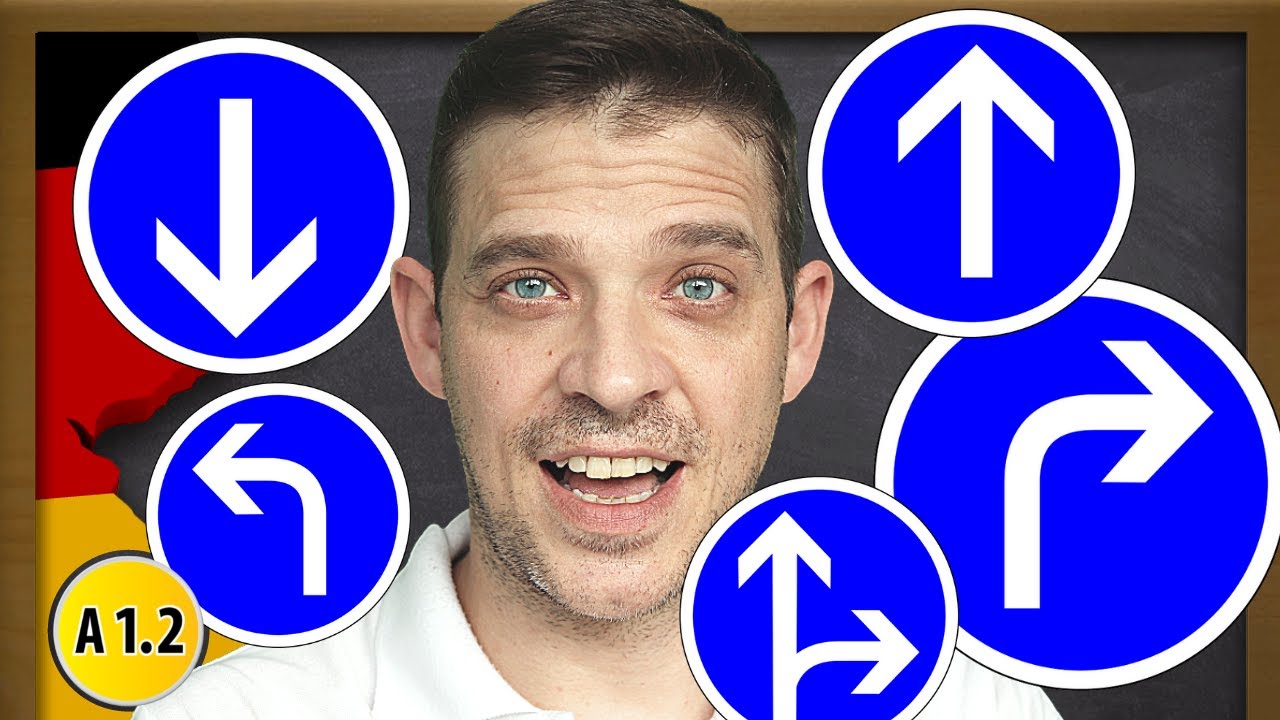
Entschuldigung, wie komme ich zum Bahnhof? In this lesson, Luzi from YourGermanTeacher teaches you how to ask for directions, how to give them and how to understand them. You learn the key phrases and the city vocabulary you need in Germany, while Luzi takes you on a scooter ride through the city ...
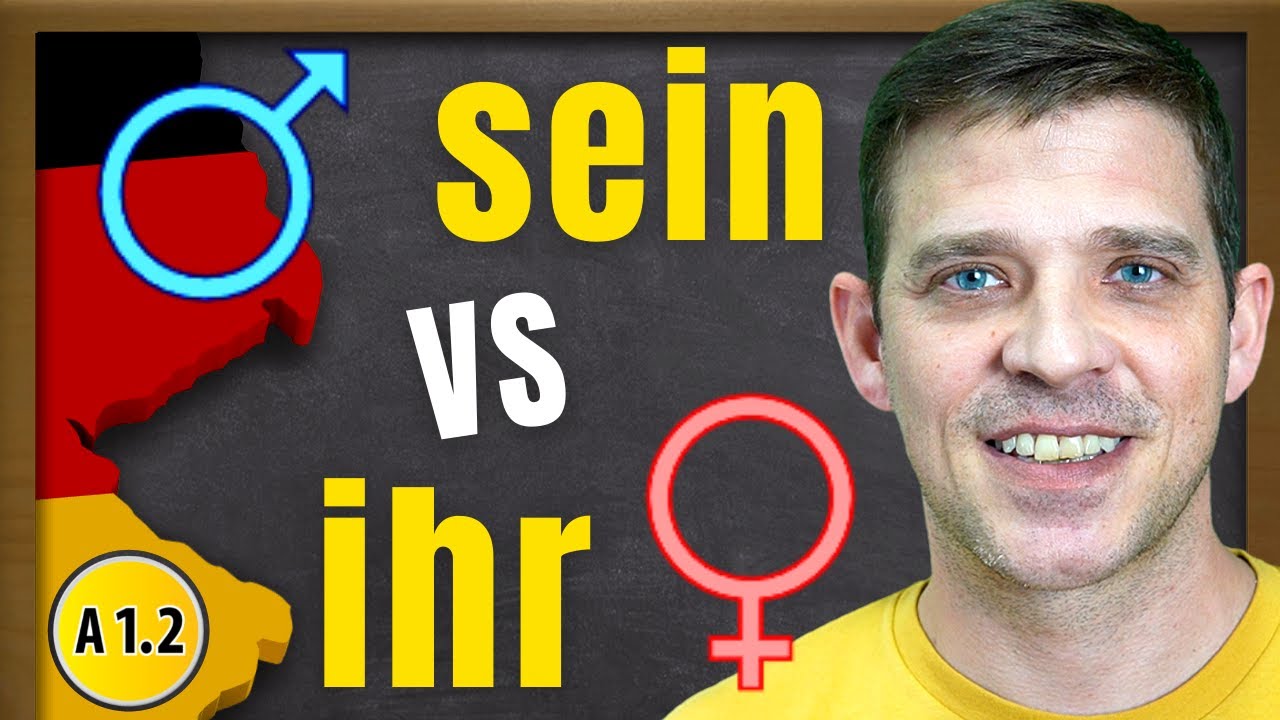
Wie findest du sein Fahrrad? Or is it ihr Fahrrad? The answer depends on two things. In this A1.2 lesson you learn when to use the German possessive articles sein and ihr in the singular, how their endings change with the noun, and how the Akkusativ affects them.
The Basic Rule: sein for Men, ihr ...
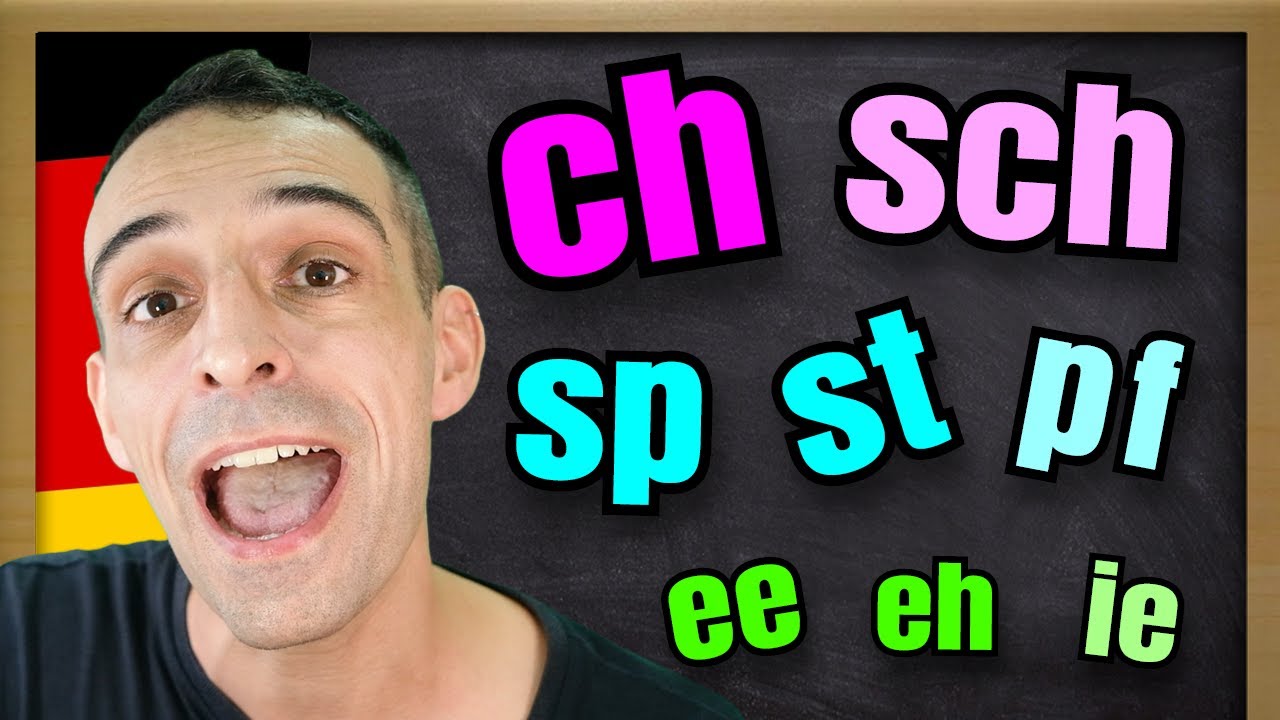
Ich komme aus Deutschland. Ich spreche Deutsch. How do you say these sentences correctly? In this A1 lesson, Johannes from YourGermanTeacher teaches you the most common pronunciation rules for German letter combinations, with easy A1 words. Each example is read twice, so you can pause the video an...
Learning German is not a sprint, it is a marathon. In this lesson, Luzi from YourGermanTeacher shares the tips and methods he has seen work for students over 10 years of teaching. They help beginners and also intermediate and advanced learners, and they cover the four main skills: reading, writing...
Heute arbeite ich 8 Uhr. Heute studiere ich Deutsch. Weißt du das Buch? All three sentences are typical German learner mistakes. In this lesson, Luzi from YourGermanTeacher (who has taught German for about 10 years) shows you 10 very common mistakes from beginner to intermediate level. For each on...
Was sind deine Hobbys? It is one of the easiest ways to start a conversation in German. In this A1 lesson, Luzi from YourGermanTeacher shows you the two ways to answer this question, the grammar difference between them, and then walks you through the top 10 German hobbies of 2021 with example sent...
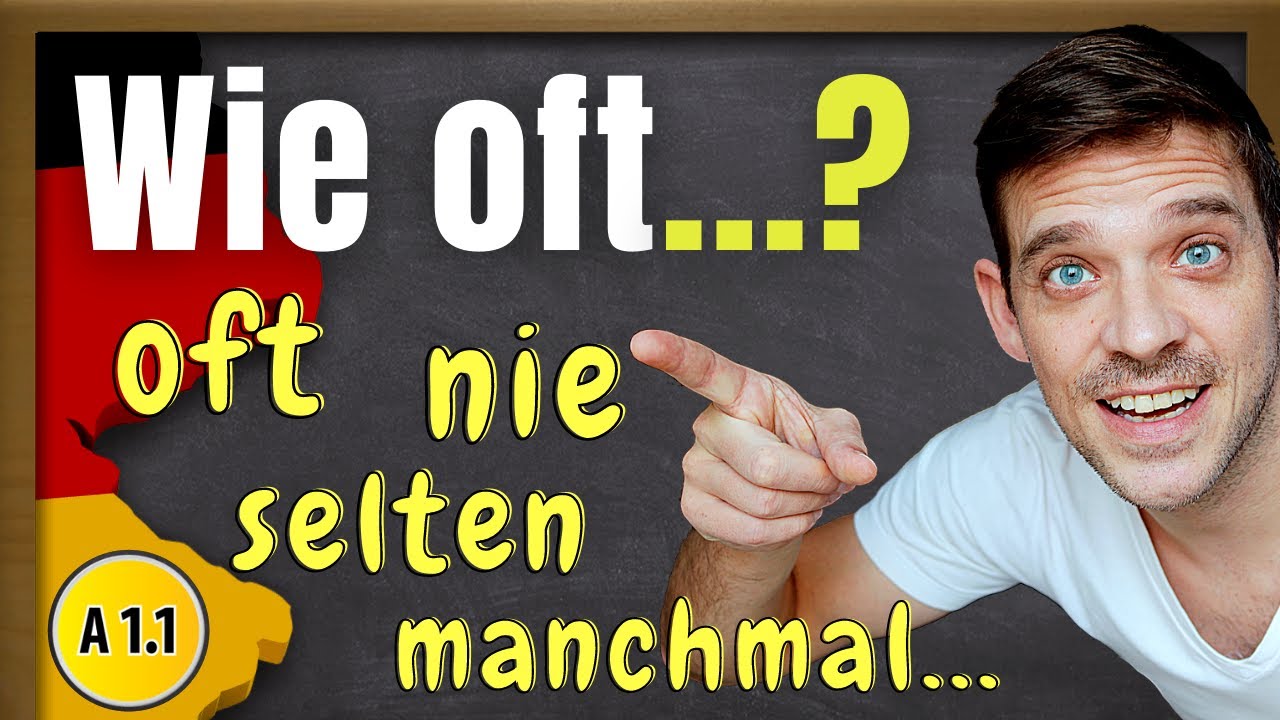
Wie oft machst du Sport? Wie oft gehst du shoppen? Wie oft lernst du Deutsch? To answer these questions you need the German temporal adverbs of frequency (Temporale Adverbien der Häufigkeit). In this A1.1 lesson, Luzi from YourGermanTeacher shows you nie, fast nie, selten, manchmal, oft and immer ...