"Erst" and "schon" are two small German words that do a big job: they tell your listener whether you think something is early or late. The tricky part is that "early" and "late" are about perception, not the clock — what feels late to you might feel early to someone else, and German expects you to...

Quick Test First
How would you say "Do you know the way?" in German — "Kennst du den Weg?" or "Weißt du den Weg?" (Answer: both are actually correct here — exactly the kind of exception that makes this topic tricky.)
In English, "to know" is just one verb. In German, you have two: kennen and wisse...
"Aus" and "von" both get translated as "from" in English, which is exactly why they're one of the most common mix-ups for German learners at this level. Both take the dative case, so the grammar isn't the problem — the problem is knowing which situation calls for which word. This lesson breaks dow...

Many German mistakes do not come from hard grammar, but from small things that work differently in your own language. Johannes picked 10 common misunderstandings that learners ask about again and again in the comments, from leben and wohnen to the false friend eventuell. Each one is short, and eac...
"Zu" and "um...zu" can both come before an infinitive, and mixing them up is one of the easiest B1 mistakes to make — but there's a simple test that tells you which one you need every time. Here's the hack: just ask yourself whether you're describing a purpose or something else, and the rest falls...

English speakers mix up "wenn" and "wann" more than almost any other German word pair, for a simple reason: English uses "when" for both jobs, while German splits it into two completely different words. This lesson explains exactly when each one applies, with example sentences that make the differ...
"Es gibt" is one of the first fixed expressions German learners meet, but it trips people up because it doesn't translate word-for-word into "there is/there are." The literal meaning is closer to "it gives," and understanding that origin actually makes the grammar around it much easier — including...
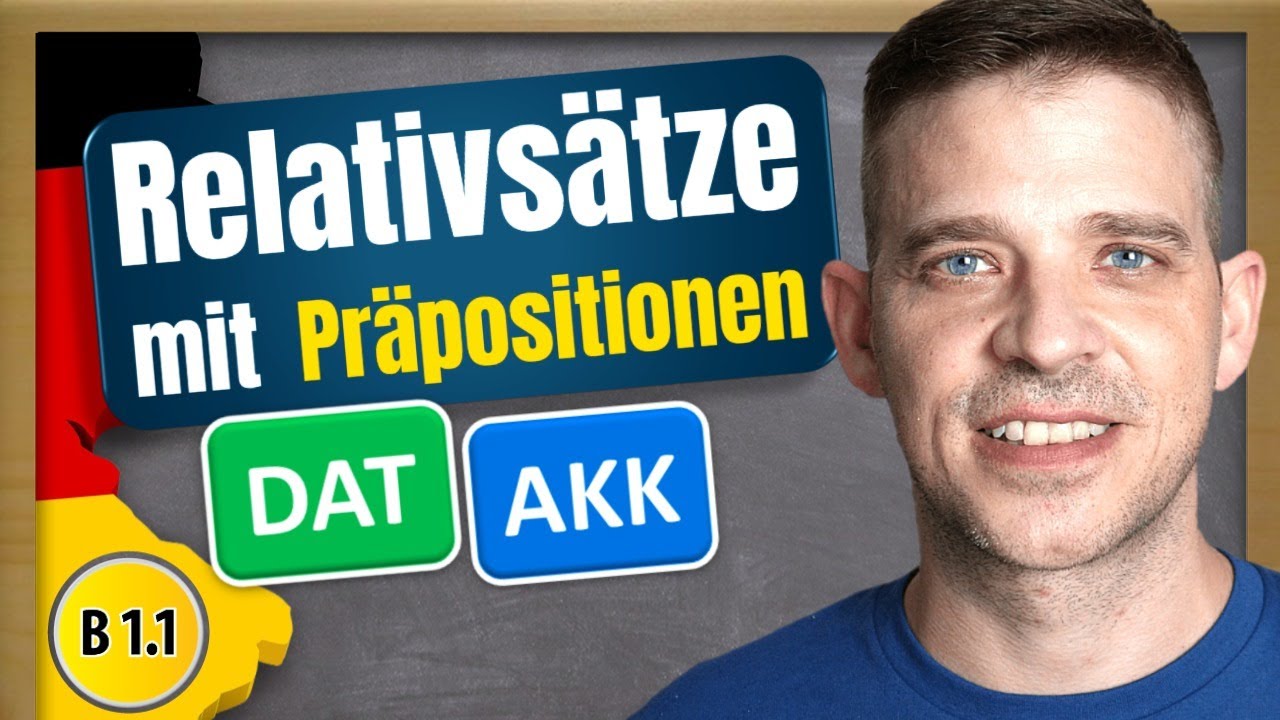
German relative clauses get one extra layer of complexity when a preposition is involved — but the fix is simple once you know it: the preposition always goes directly before the relative pronoun, never at the end like in English. Here's how to build these clauses correctly, with both accusative a...
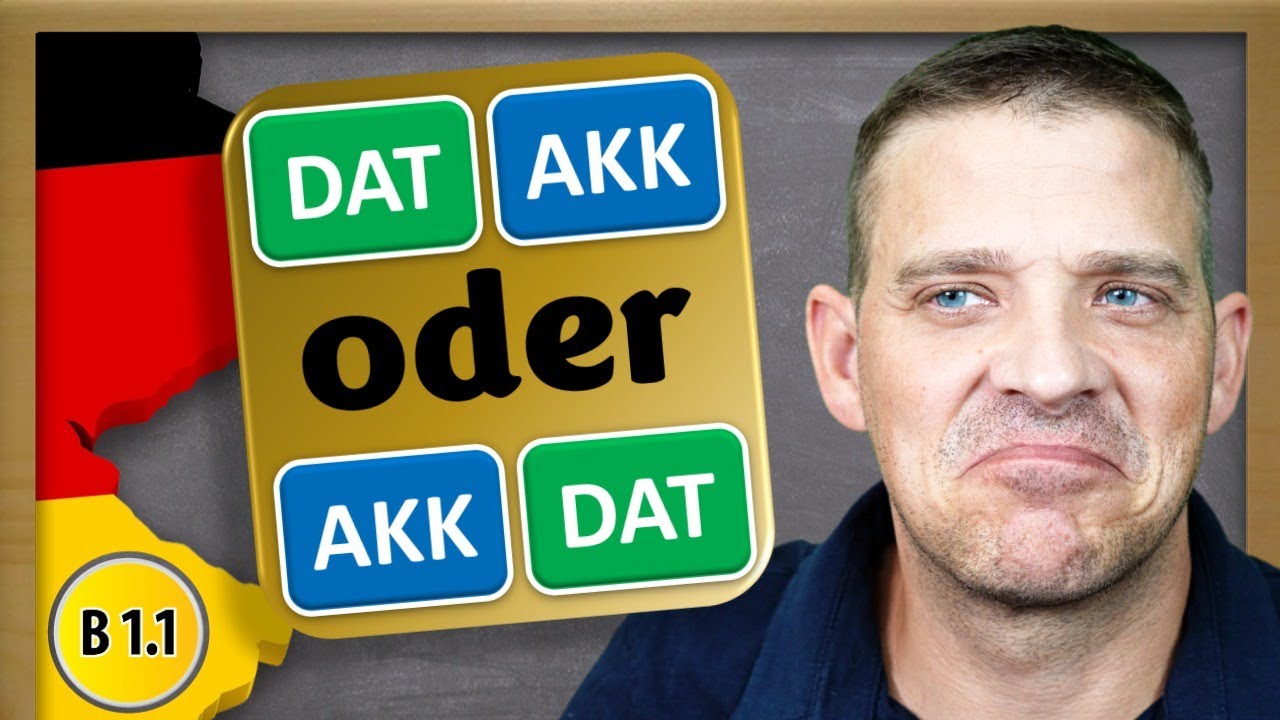
When a German sentence has both an accusative and a dative object, their order isn't random — it follows three clear rules based on whether each object is a noun or a pronoun. Learn these three rules once, and you'll never have to guess again.
Rule 1: Noun + Noun → Dative Before Accusative
When b...
Asking a direct question can sound blunt in German, especially with people you don't know well — which is exactly why indirect questions are used so often in both spoken and written German. This lesson covers how to build a proper indirect question, including the different structures for questions...